
No products added!

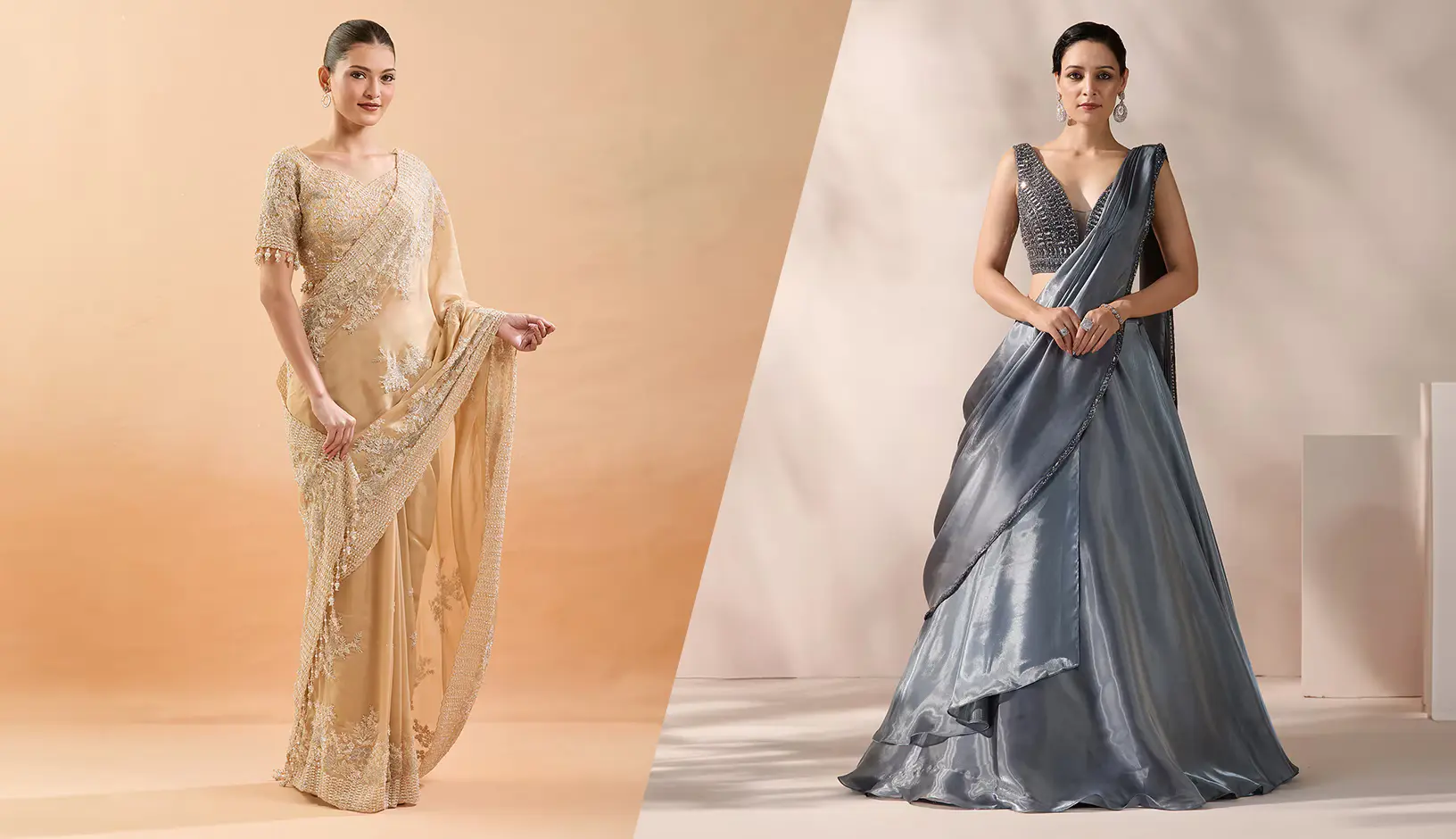
There are many clothes in the world, but only a few carry a soul. The saree is one such garment. While fashion keeps changing every season, the saree continues to stand tall — not because it resists change, but because it adapts without losing its essence.
For centuries, the saree has been part of daily life, celebrations, rituals, and personal milestones. Even today, in a world filled with fast fashion and ready-made outfits, the saree holds a unique place that no other clothing can replace.
A garment without limits
Unlike stitched outfits, a saree is free-flowing. It does not restrict the body to a fixed shape or size. It moves with the wearer, adjusts to every body type, age, and phase of life. This flexibility is one of the strongest reasons the saree remains timeless.
From young women to elderly grandmothers, from slim frames to curvy silhouettes, the saree embraces everyone equally. No alteration, no size label — just fabric, drape, and grace.
Then: tradition woven into life
Earlier, sarees were not occasional outfits. They were everyday wear. Cotton sarees for work, softer weaves for home, richer silks for festivals and weddings. Every region had its own styles, fabrics, borders, and draping methods.
A saree spoke silently about where a woman came from — her culture, climate, and craft traditions. It was practical, breathable, and deeply connected to the local way of life.
Now: elegance that evolves
Today, the saree has taken on new roles. It appears in offices, art spaces, social gatherings, and modern weddings. Lightweight fabrics, contemporary colour palettes, and experimental blouse designs have made sarees more wearable for modern lifestyles.
Women now pair sarees with structured blouses, jackets, belts, or even sneakers. Yet, despite these modern touches, the saree never loses its dignity. It evolves without forgetting its roots.
Saree vs modern outfits
Modern clothing often focuses on trends — what is popular this year may feel outdated the next. Sarees, however, work on a different timeline. A well-chosen saree can be worn again after years and still look relevant.
Another key difference is sustainability. Sarees are usually made from natural fibres like cotton, silk, linen, or handwoven yarns. They last longer, age gracefully, and can be restyled in multiple ways.
A symbol beyond fashion
The saree is not just about appearance. It carries emotional weight. It is worn during important life moments — weddings, festivals, farewells, achievements. Over time, a saree becomes a memory holder.
That emotional connection is something no mass-produced outfit can offer.
Why does it still stand above all
The saree survives because it balances beauty, comfort, culture, and individuality. It allows women to express themselves without following rigid fashion rules.
In a world rushing toward convenience, the saree reminds us to slow down, drape with intention, and carry ourselves with quiet confidence.